

Crocus ‘Jeanne D’Arc’ ( Bulbs)
Original price was: £12.00.£8.40Current price is: £8.40.
- Freundlicher, effizienter Service, immer online.
- Die Qualitätswahl für Smart Shopper
- Kaufen Sie die beste Qualität online
- Sicheres Einkaufen garantiert

Dutch Crocus
Family
Iridaceae
Origin
France & Spain
Description
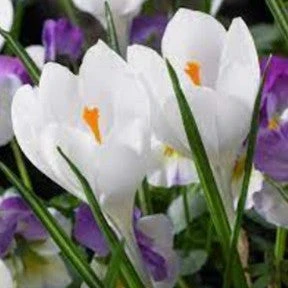
Crocus ‘Jeanne D’Arc’ showcases immaculate white flowers highlighted by vibrant golden-orange centers that brighten under the early spring sun. This refined cultivar represents purity and the revival of life after winter’s dormancy. Originating from Europe and belonging to the Iridaceae family, it reaches a height of 10–12 cm and features slender, grass-like leaves.
Plant the corms between October and December in plains, or November to January in hills, to enjoy blooms from January to March on plains and February to April in hill regions.
Environment
Get your spring-blooming crocuses in the ground after the weather cools down in the fall, but before the ground freezes.
Crocus corms can be planted just about anywhere as long as they get full to partial sun and well-drained soil. They’re good to go under deciduous trees, where they’ll get enough sunlight before most trees have fully leafed out. Don’t plant in dense shade, such as on the north side of structures.
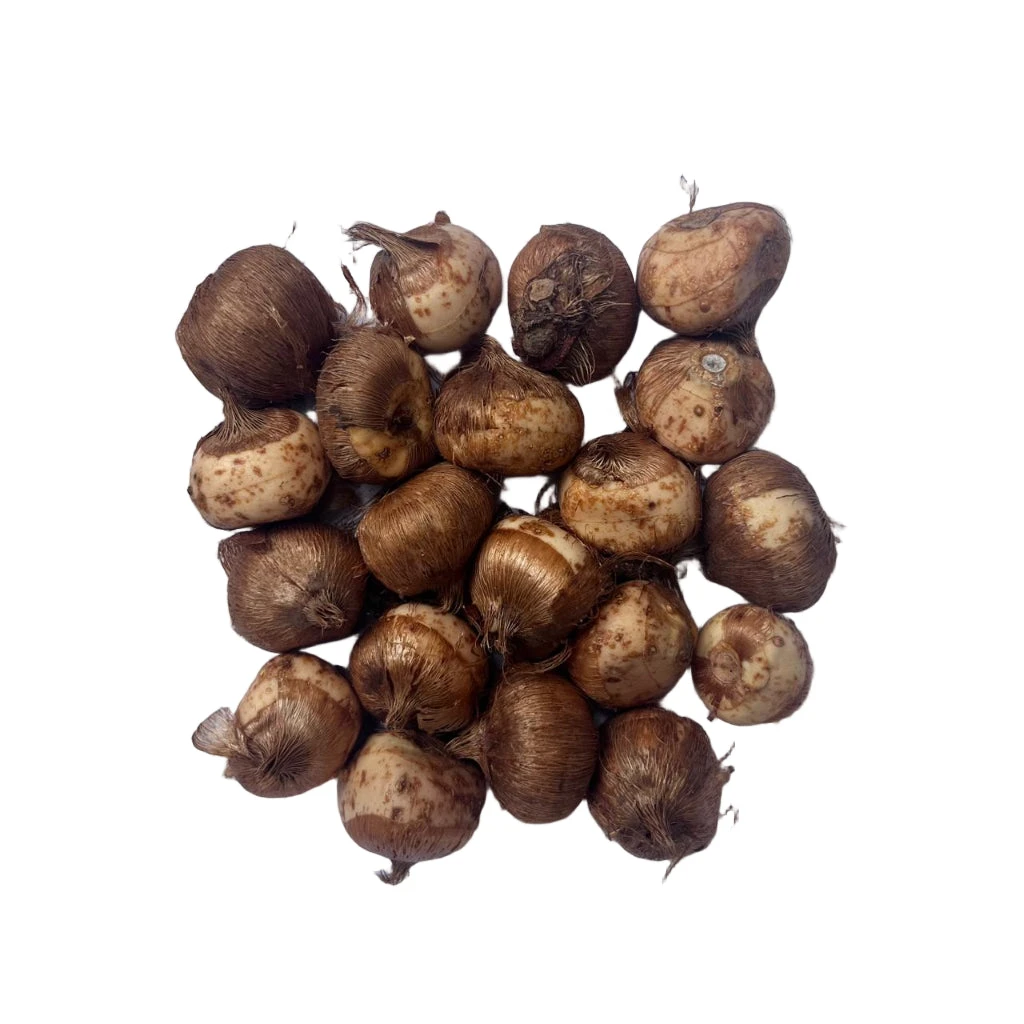
Place corms 3 to 4 inches deep, about 3 inches apart and with their pointy ends up. Arrange them in small groups of 9 to 10 per square foot, or in large drifts. Cover with soil level to the surface so water won’t puddle.
If you find you need to deter pests like mice or voles from eating your newly planted corms, crushed seashells, oyster shells or eggshells can be added to the planting holes. Water the area well after planting.
Crocuses don’t require any pruning, simply let the foliage die back after blooming and then remove it. It’s important to let it die back naturally, as it is storing food and energy for next season
For best effect, plant in drifts of 20 or more bulbs. Crocus naturalize well.
Landscape Use
Great in pots as well as gardens, the Iris is also used around water and as a feature softening rock landscaping.
| Pack | 5 |
|---|---|
| Colour | White |
Be the first to review “Crocus ‘Jeanne D’Arc’ ( Bulbs)”
Related products


Home Decor

Home Decor

Home Decor

Home Decor

Home Decor

Home Decor


Reviews
There are no reviews yet.